Program: European Solidarity Corps – ESC30-SOL Solidarity Projects
Project Leader: Association “Rozprawy o Europie”
Project Duration: January 2025 – December 2025
Project Description
The “Cultural Kitchen” project is an initiative aimed at integrating young people through culinary experiences and the shared exploration of the cultural richness of different nations. In the face of increasing social diversity and the need to strengthen intercultural dialogue, this project seeks to promote openness, tolerance, and cooperation among young people.
The planned events will allow participants not only to develop new culinary skills but also to gain a deeper understanding of the history, culture, and values of the European Union. Through workshops, meetings, and integration events, young people will have the opportunity to build relationships, foster intergenerational integration, break stereotypes, and broaden their perspective on cultural diversity.
“Cultural Kitchen” is a space for exchanging experiences, learning through action, and shaping social and civic attitudes among young people.
Project Goals
- Integration of young people through joint culinary and educational activities.
- Promoting openness and intercultural dialogue among participants.
- Developing culinary, organizational, and communication skills.
- Strengthening pro-ecological attitudes through education on sustainable cooking.
- Encouraging young people to engage in social activities and initiate their own projects.
Main Project Activities
- Culinary Workshops – A series of workshops where participants will explore various world cuisines, their histories, and cultural values. Each session will focus on a different region, and under the guidance of instructors, participants will prepare traditional dishes from that country. The workshops will also cover topics related to ecological cooking.
- Culinary Competition – Participants will be challenged to prepare dishes popular in the Świętokrzyskie region. Beyond culinary skills, the competition will also assess the history of the dish and its presentation. This will be an opportunity for fun, competition, and learning. The event will also include a special guest speaker who will share insights about the region’s culinary traditions.
- Integration Meetings – The project includes meetings where young people will have the opportunity to get to know each other better and understand the importance of social activism. A key aspect of these meetings will be the creation of video materials about culinary traditions and home recipes. These sessions will foster intergenerational bonds, as they will be filmed outdoors in collaboration with senior citizens. They will also highlight how food serves as a universal language that connects people.
- Workshops on Promotion and Social Media – To effectively promote the project and its values, young participants will learn how to utilize social media to share content related to culinary culture. The workshops will cover the basics of food photography, video content creation, and online promotional campaigns.
- Oxford Debate – A key component of the project will be an Oxford-style debate in which young participants will discuss the impact of cuisine on cultural identity, tradition, and contemporary challenges related to food globalization. This event will be preceded by preparatory workshops on argumentation techniques and structured discussions.
- Outdoor Workshops and Culinary Picnics – During the summer, the project will move to public spaces, where outdoor workshops will allow young people to integrate in an informal atmosphere. Participants will also document their experiences through video recordings.
- Online Festival – The project will conclude with an interactive online festival where participants will showcase holiday dishes through photos, videos, and descriptions. The festival will take the form of a competition, with winning entries receiving special recognition.
By joining the “Cultural Kitchen” project, participants will gain a unique opportunity to develop new culinary skills and enhance their social competencies. This will be a chance to learn about different cultures through food and traditions, fostering a deeper understanding of diversity and openness to the world. The project offers participation in inspiring workshops and integration events that will not only expand knowledge but also enable the formation of new relationships and collaboration with like-minded peers.
Through collective efforts towards openness and diversity, the project will contribute to building a community where food becomes a tool for connecting people. Additionally, each participant will receive a certificate confirming their involvement and acquired experiences. “Cultural Kitchen” is more than just cooking – it is a space for building community, strengthening solidarity, and promoting cultural diversity in everyday life.
1. Team-building workshop: “Let’s Get to Know Each Other Better!”
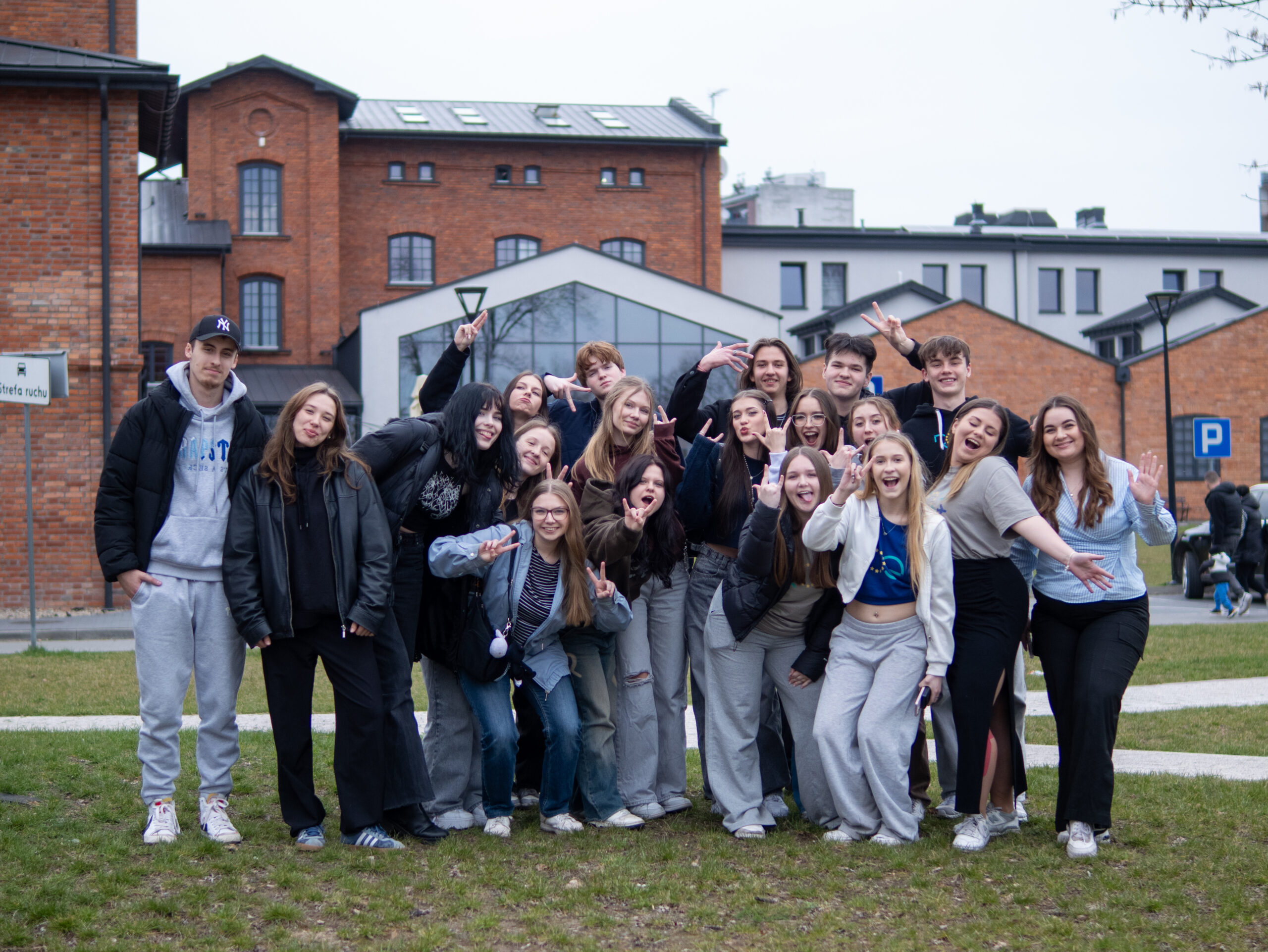
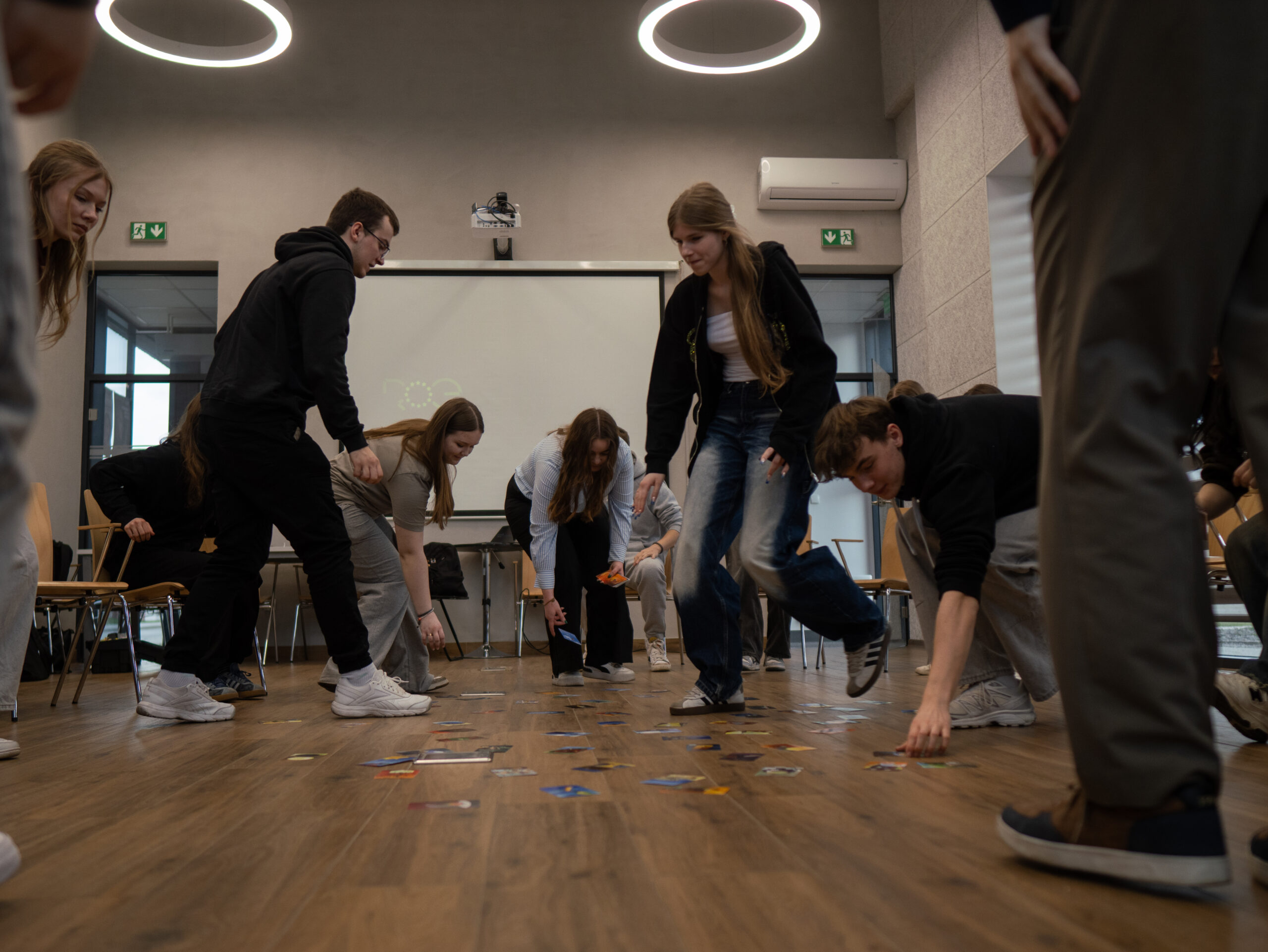
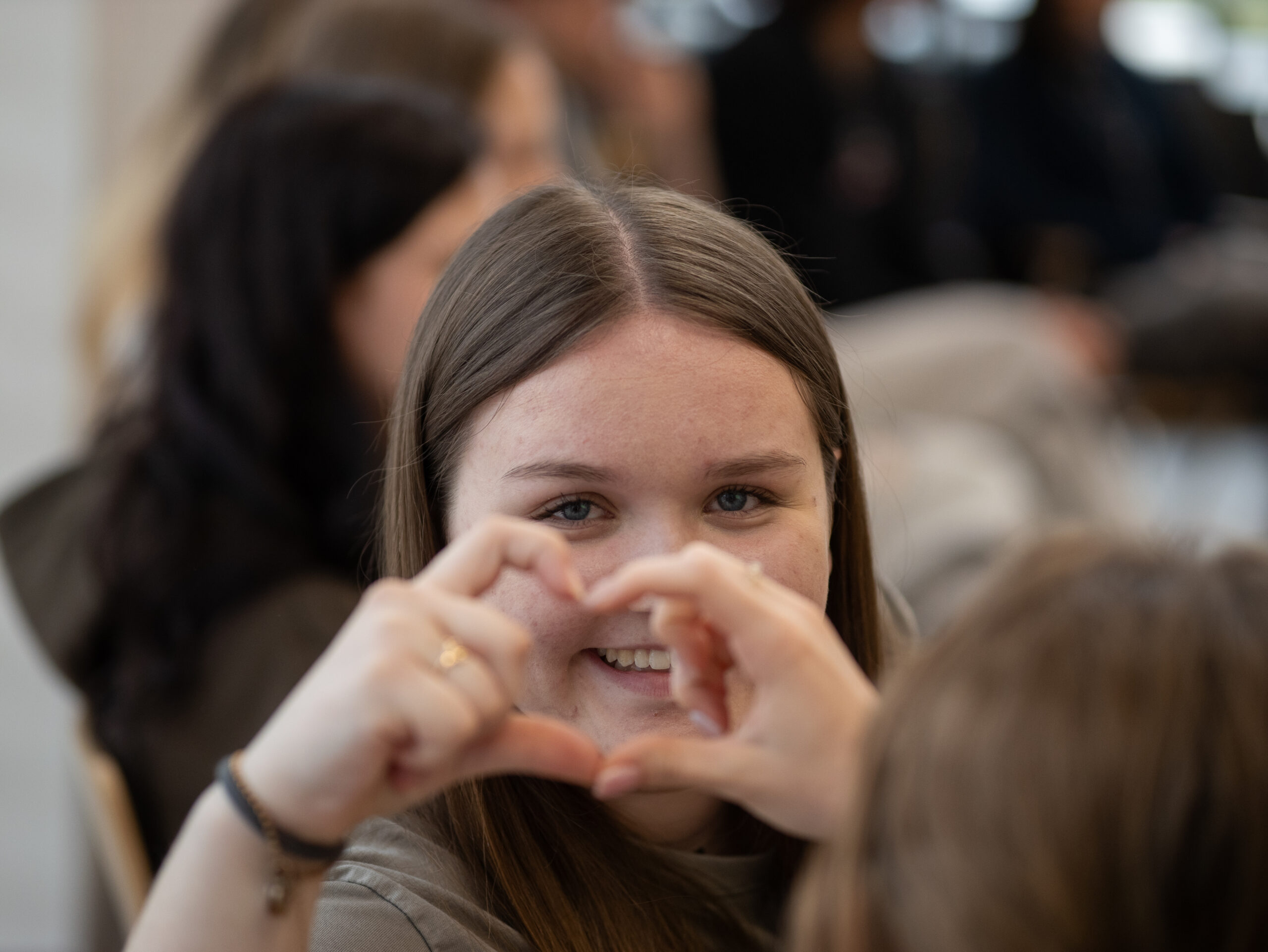
On March 31, the first meeting of our new project took place.
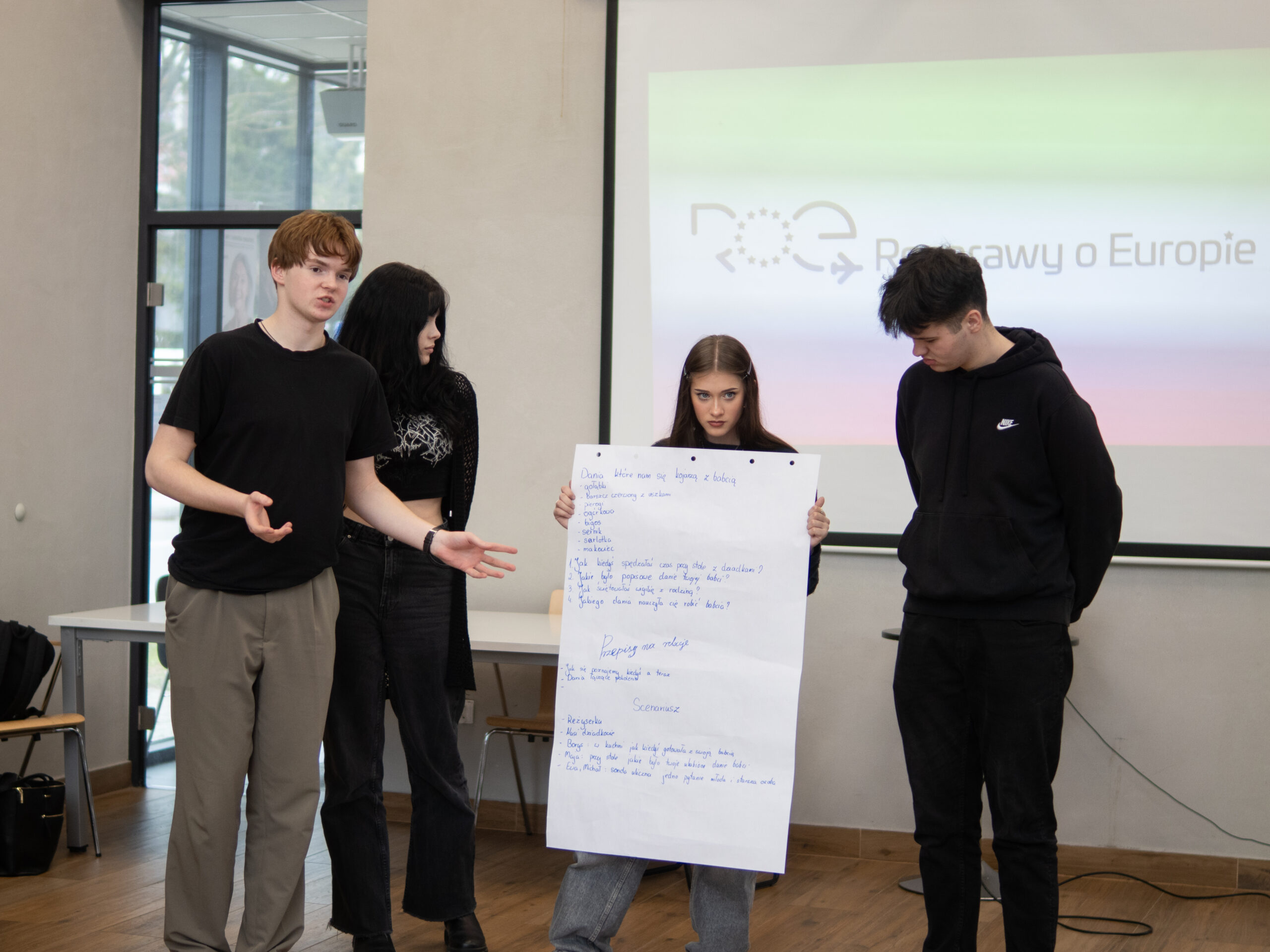
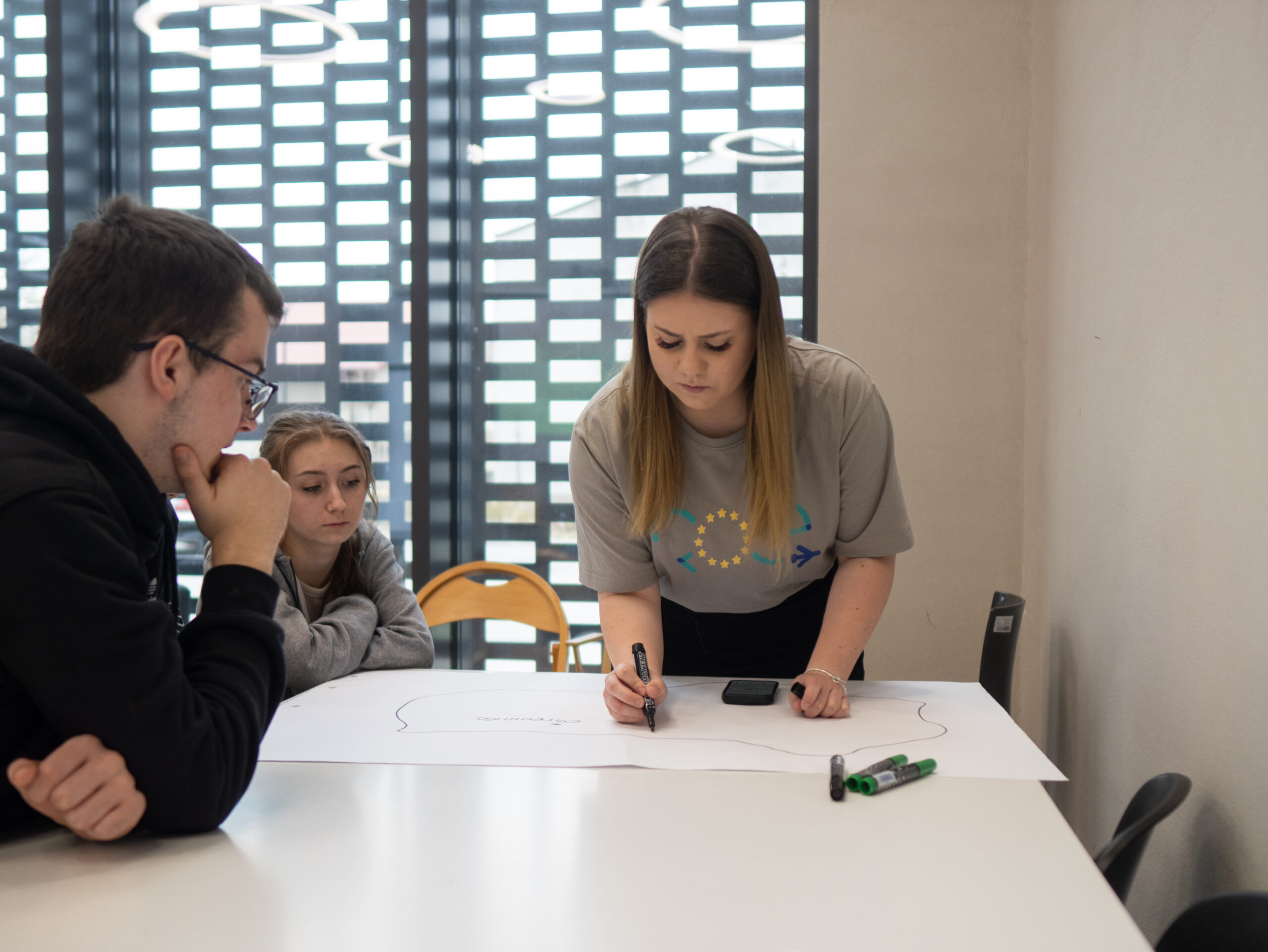
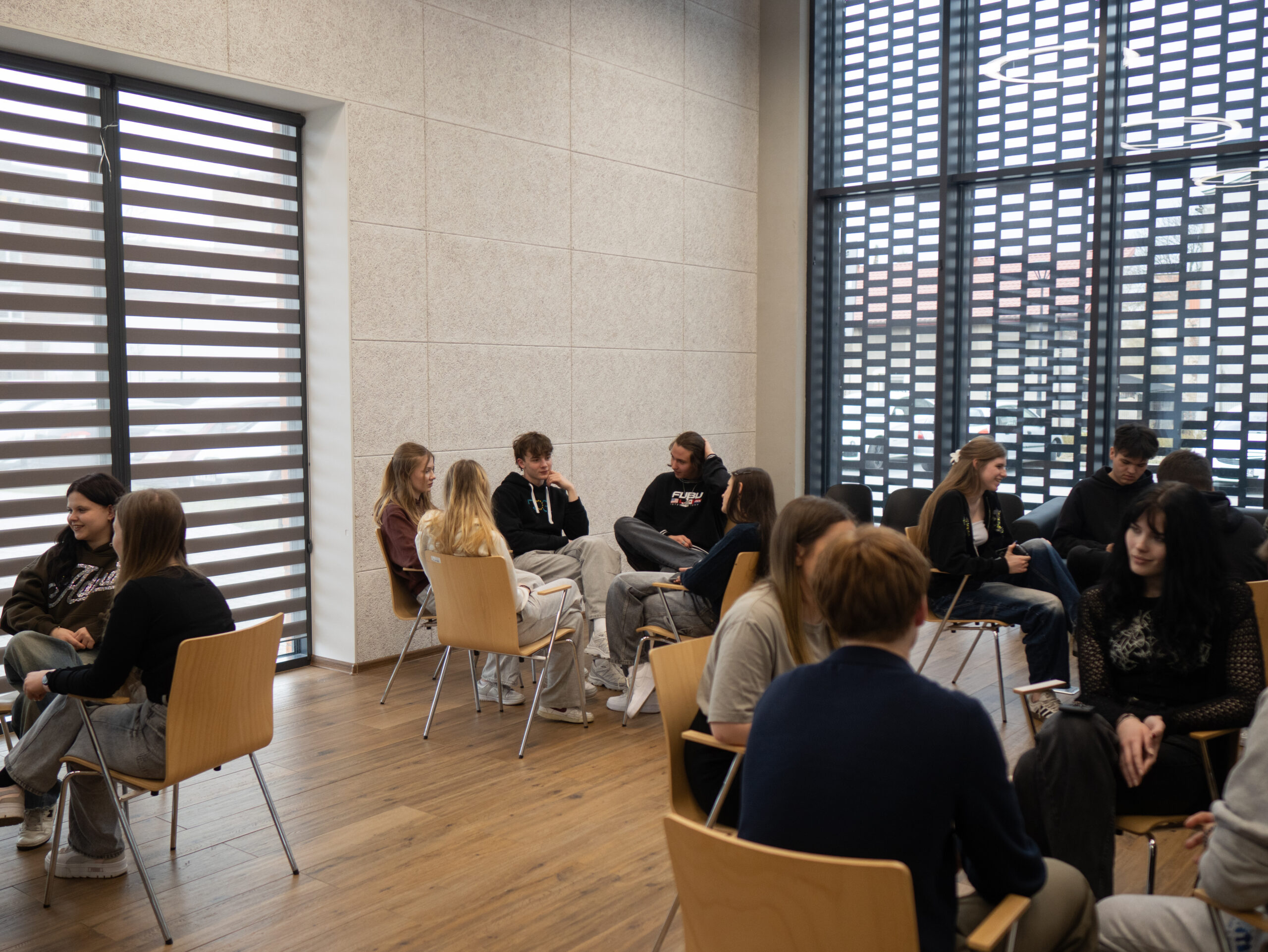
During the “Let’s Get to Know Each Other Better!” workshop, we had the opportunity, as the name suggests, to bond and share our experiences. We also talked about social activism and discussed what such activity means to each of us.
After inspiring conversations, we moved on to the workshop portion. We worked on four different topics designed to show us how to break down the intergenerational barrier and build relationships with older adults. The topics included:
– “Tastes of Generations – Culinary Bridges Between Generations”
– Recipes for Relationships – The Kitchen as a Pretext for Conversation
– Culinary Stories – The Flavors and Tales of Our Families
– Intergenerational Cooking of the Future
2. Regional Food Contest
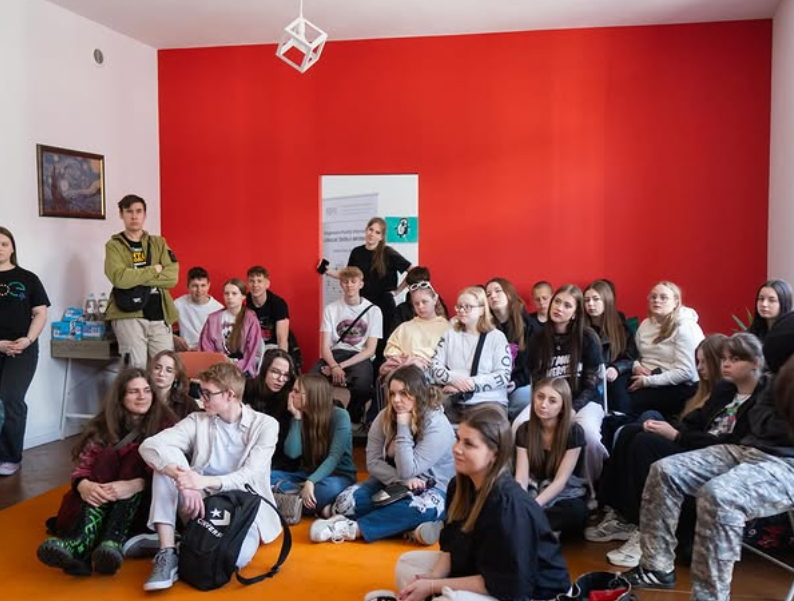
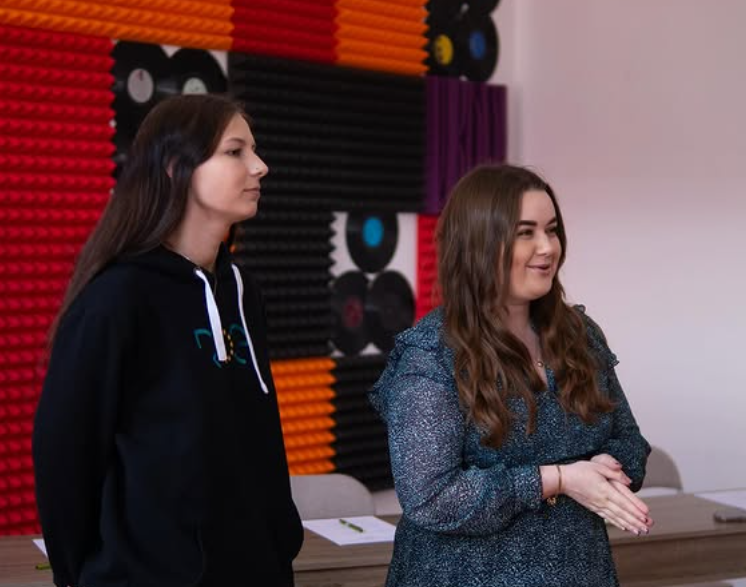
On April 28, we held the second meeting as part of this project! This time, we gathered for the “Regional Food Contest.” The task was to prepare a dish at home inspired by the traditions of the Świętokrzyskie region or by family traditions.
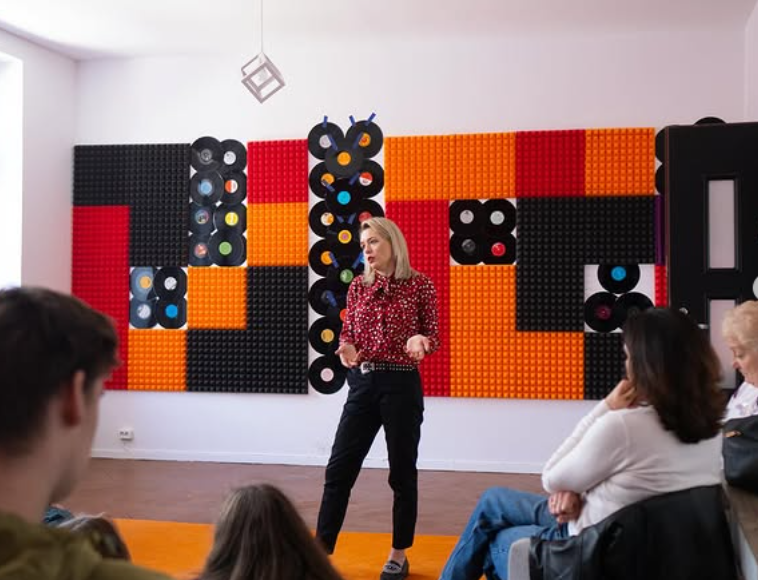
At the beginning, we had the opportunity to talk with Kama Kępczyńska about the characteristic dishes of the Świętokrzyskie Province and our family traditions. We exchanged tips on how we prepare dishes at home, the ingredients we use, and learned where they actually come from. We also had the chance to learn a bit about the region’s culinary history!
Then we moved on to the contest.
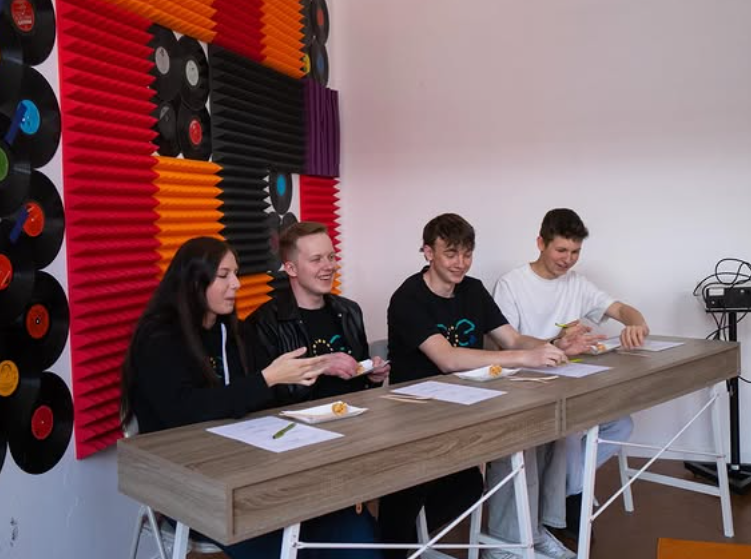
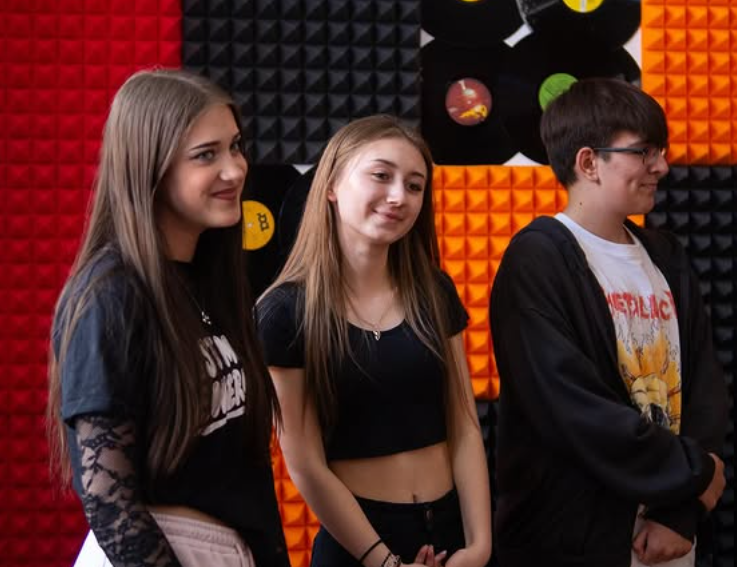
During the event in Kielce, participants presented their dishes and talked about the inspirations and traditions that influenced their choices. Our judges evaluated the dishes prepared by the participants based on:
-aesthetics,
-the story behind the dish,
-execution.
The choice was difficult, but we managed to select the winners!
The goals of the competition were:
• to promote the traditions of the Świętokrzyskie region, foster creativity, and develop culinary skills,
• to promote social dialogue and ensure everyone had a good time!
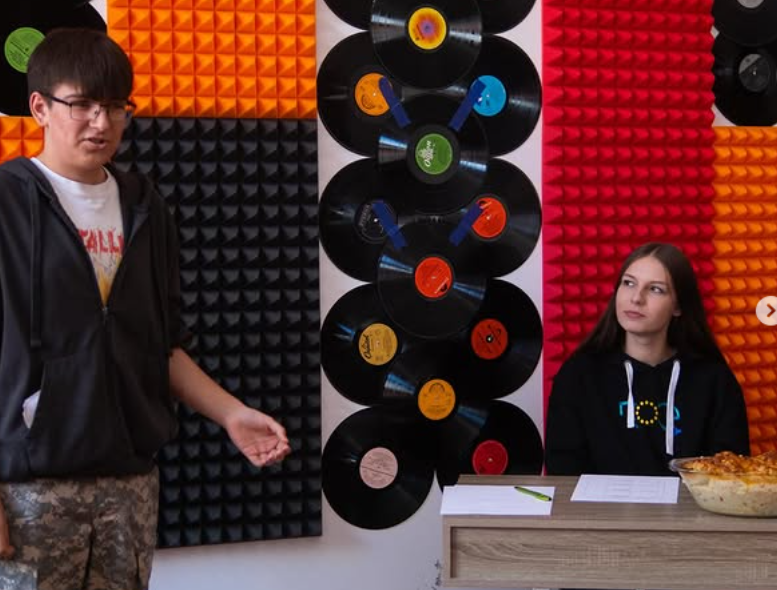
3. “Feed Your Story” Social Media Workshop
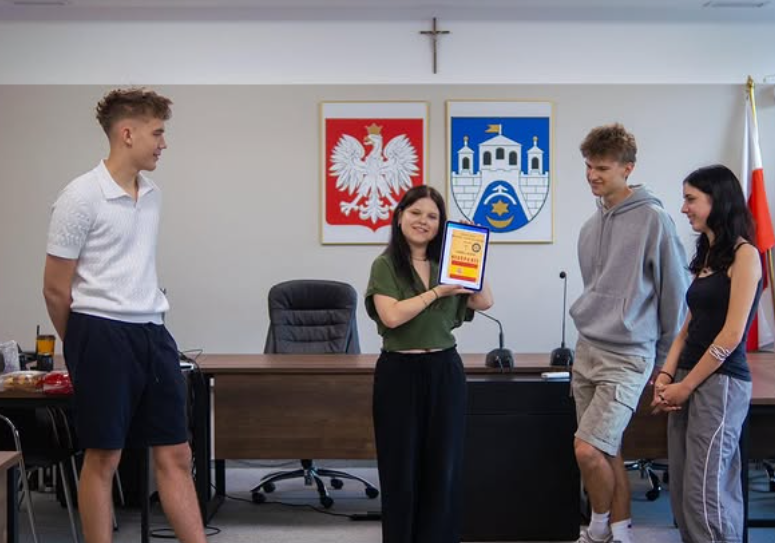
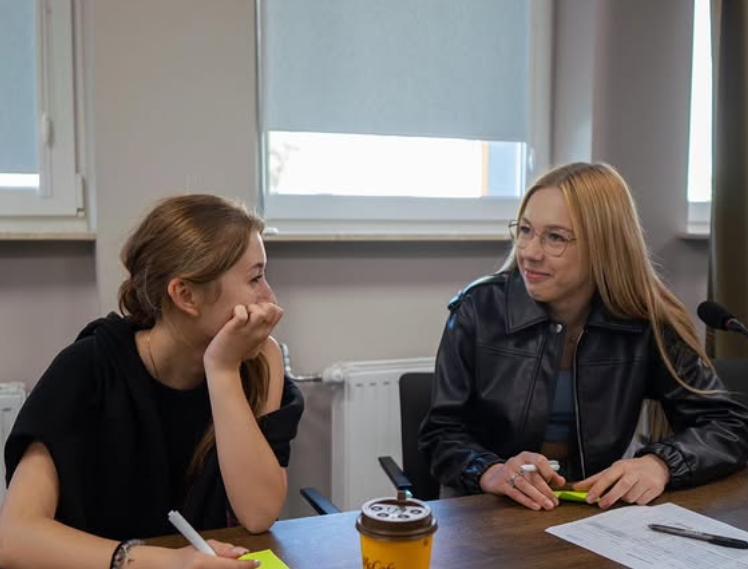
During the workshop, we focused on how to effectively use social media in our organization’s activities.
Together, we discussed the role of social media in social work, how to build engagement, and how to create compelling content.
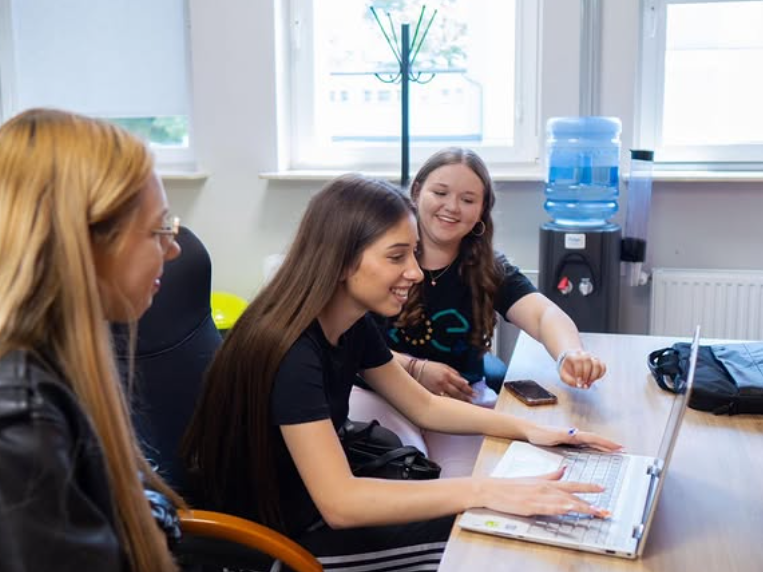
In small groups, we created catchy slogans to promote a culinary event, and then we split into task teams:
• one group prepared graphics
• another drafted posts
• a third created content for Instagram stories about upcoming events.
At the end, we presented the results of our work and summarized the most important takeaways. It was creative, dynamic, and very practical.


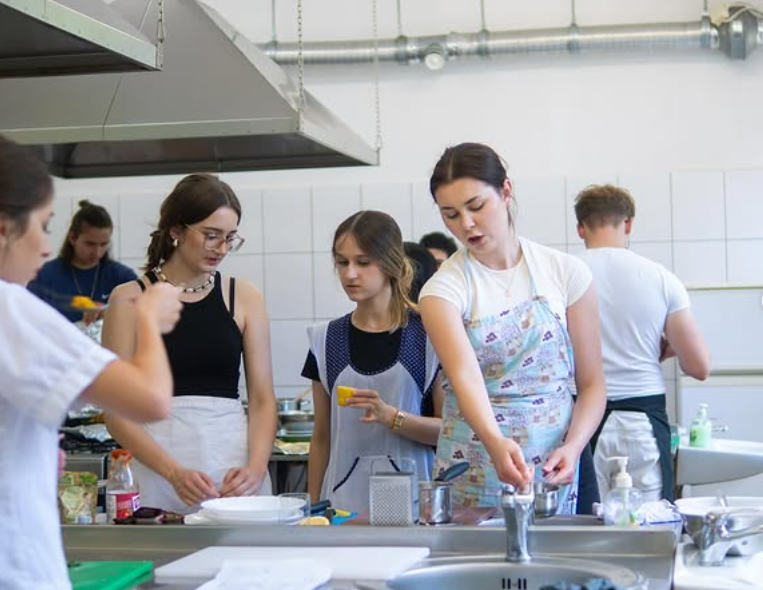
4. Cooking Workshop – Vegetarian Italian Cuisine
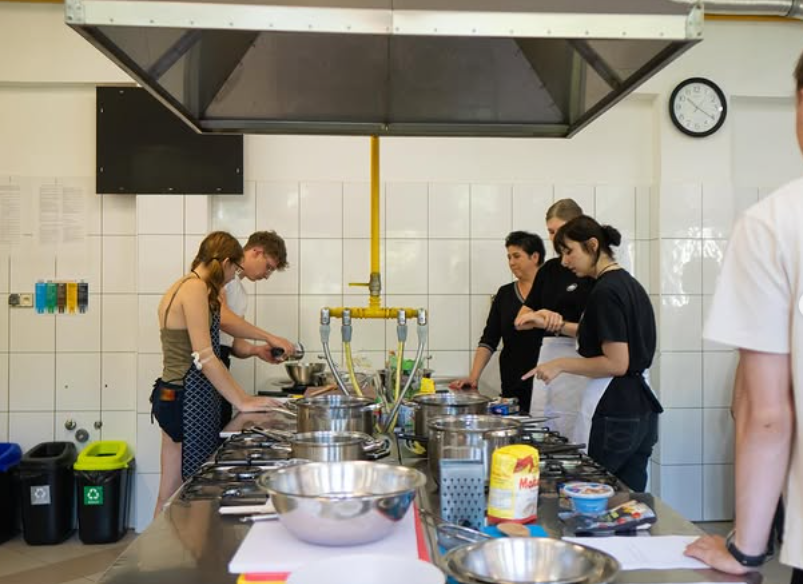
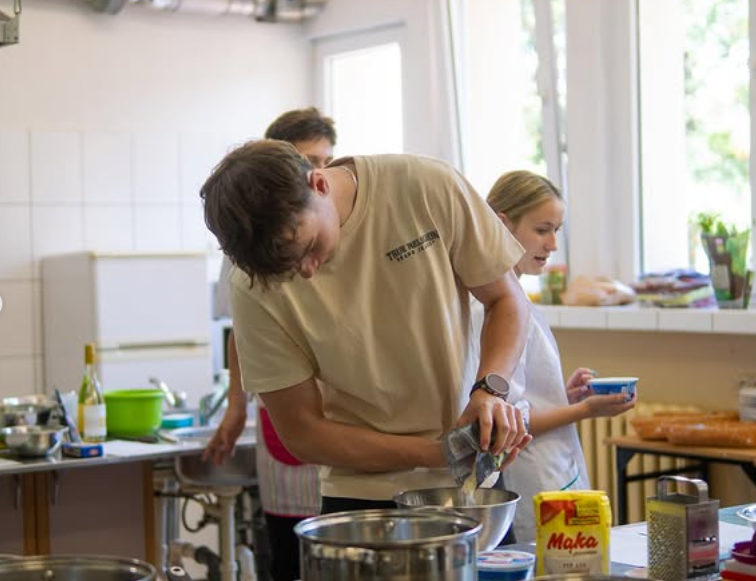
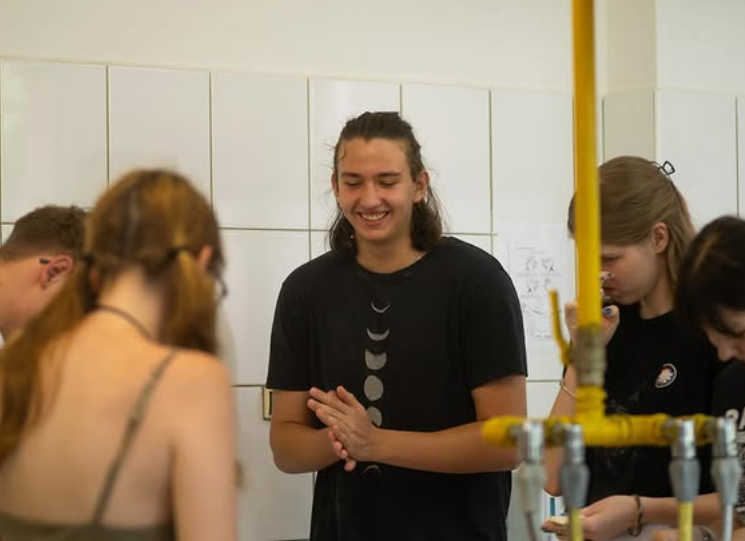
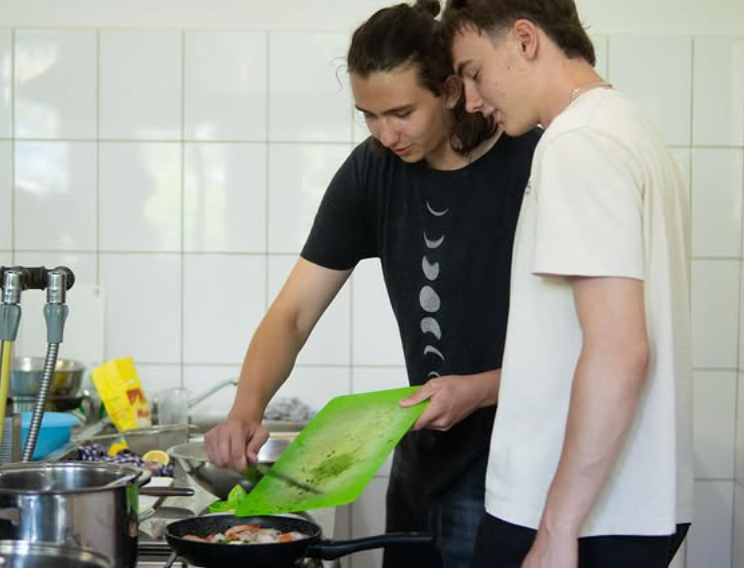
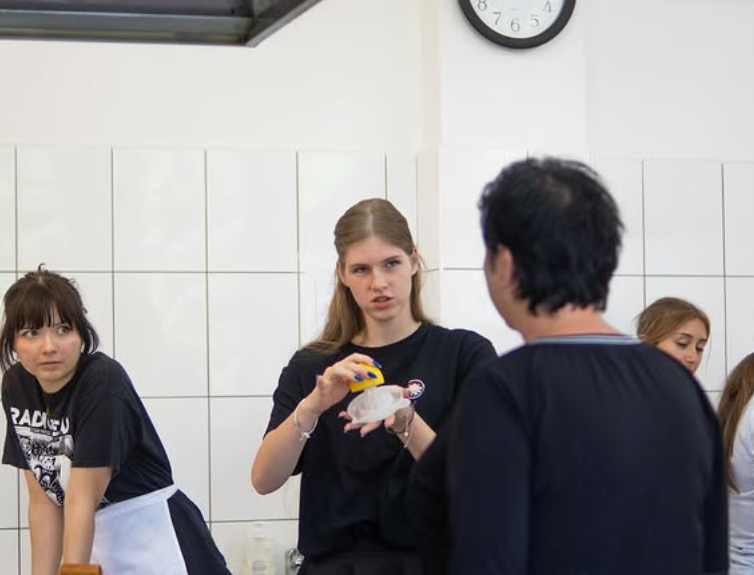
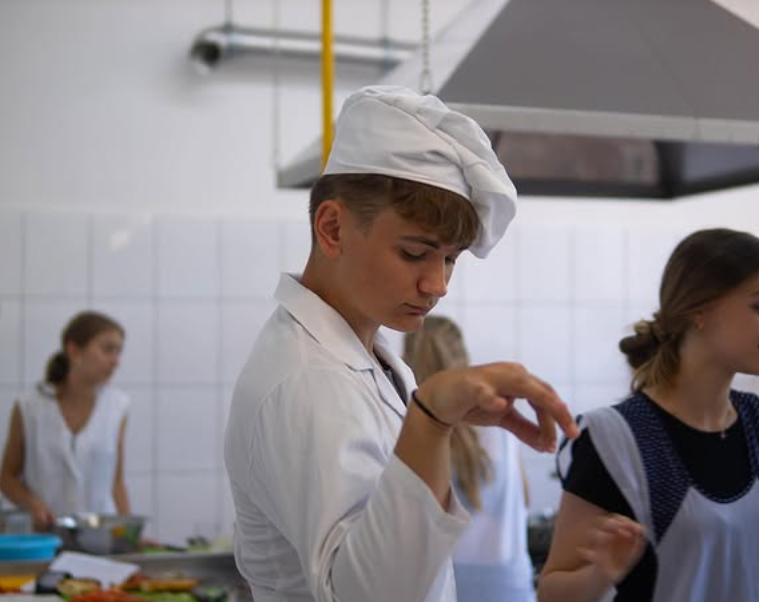
Another workshop took place on July 22. This time, however, it was different from the previous ones—it was a cooking workshop!
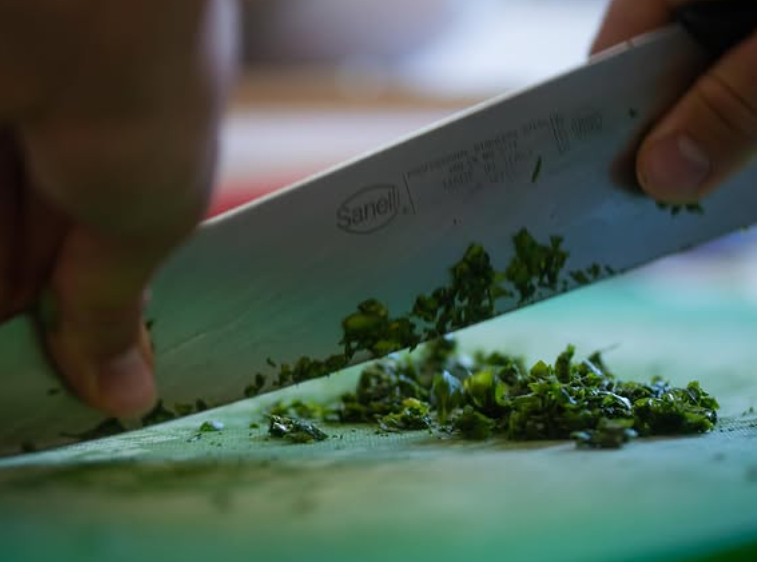
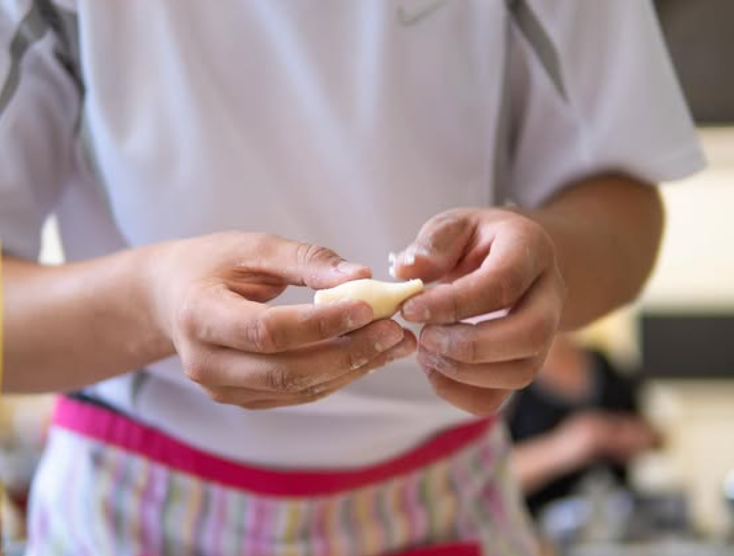
We had the opportunity to learn a few recipes from Italian vegetarian cuisine and then taste our own dishes. The first dish we prepared was ravioli with ricotta, Grana Padano, and basil butter, followed by shrimp.
Participants worked in pairs, which allowed them not only to learn how to cook but also to explore the culture of another country. Such workshops not only strengthened new friendships but also taught openness, dialogue, and active listening. Additionally, learning about diversity—just as combining different ingredients in the kitchen creates a unique flavor, so too do different languages, customs, and traditions in the EU form a strong and harmonious whole.
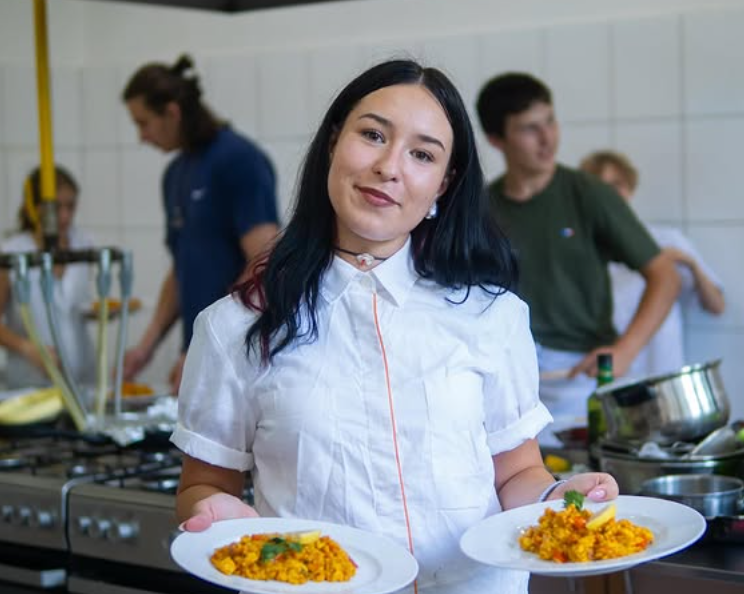
5. Cooking Workshop – Italian-Spanish Cuisine
Our second cooking workshop is now behind us!
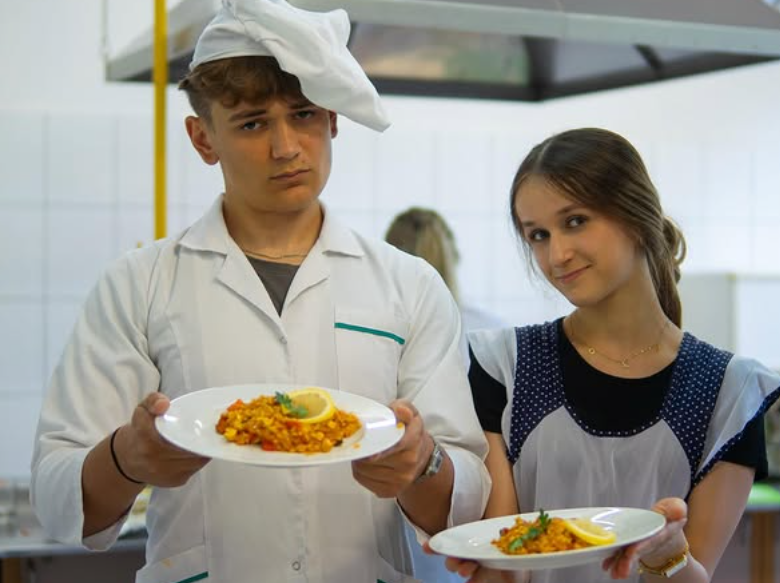
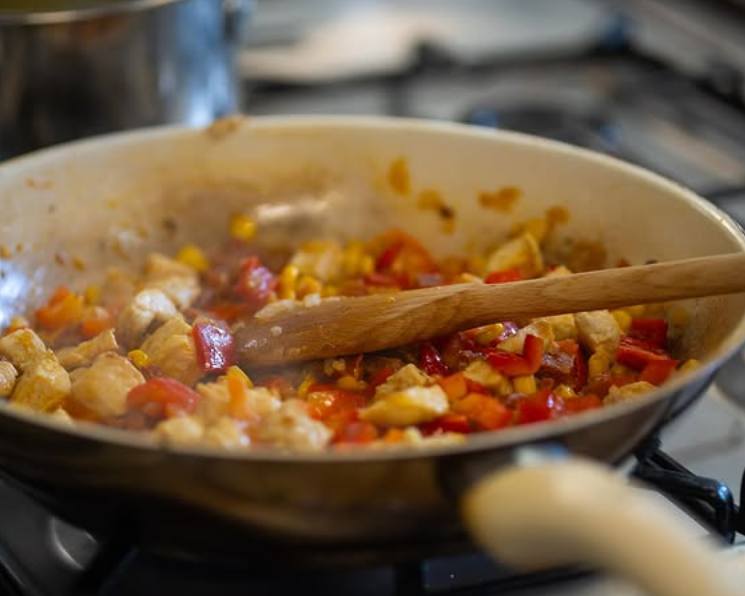
This time, we had the opportunity to meet again on July 24 to cook together—but this time, the focus was on Spanish cuisine.
The first dish we prepared was paella, followed by Tapas Pan con tomate. Cooking workshops are more than just cooking—they’re a community formed around a single table. They show that the diversity of European cultures and traditions is like the ingredients in a recipe: only when combined do they create a unique flavor. Cooking together teaches cooperation, respect, and openness, and sharing a meal becomes a symbol of solidarity and unity in diversity. In this way, the cooking workshops remind us that the values of the European Union can not only be learned about, but also felt and tasted.
Together, we explored the flavors of Spain, and as you may recall from before, the flavors of Italy. This diversity shows how young people can come together and engage in learning about new cultures.
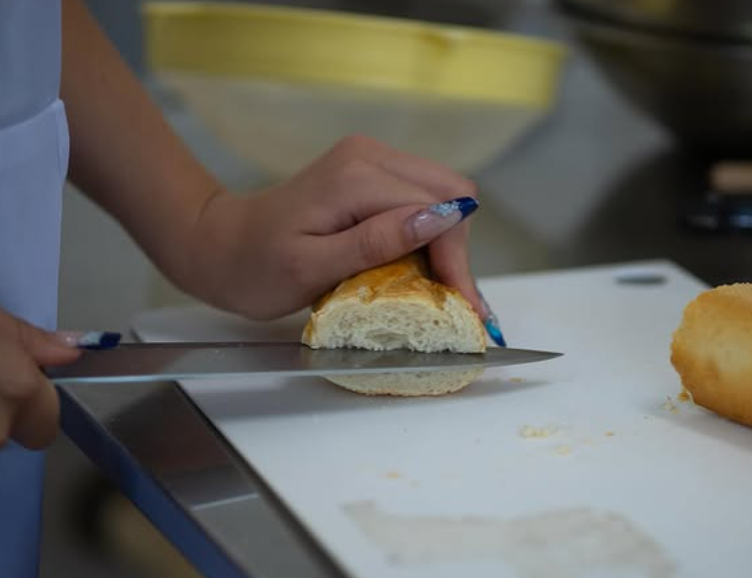
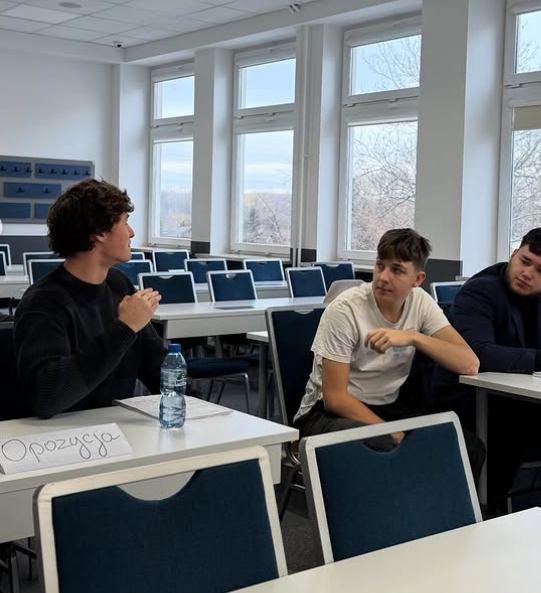
6. Oxford debate: “A country’s cuisine says more about its culture than literature or art”
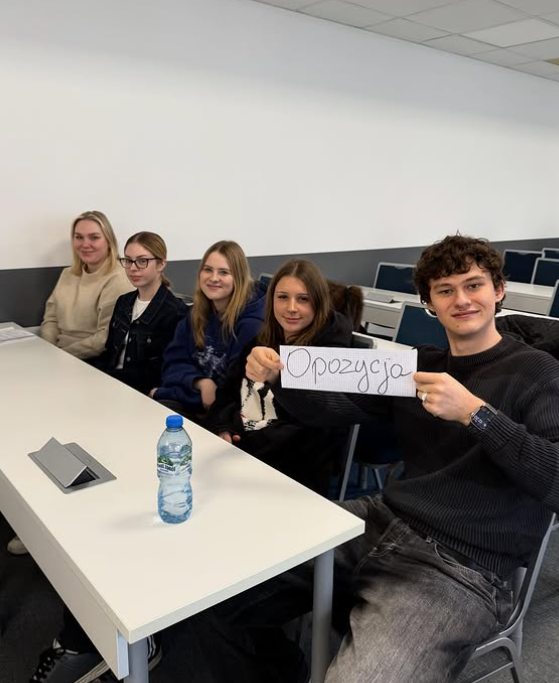
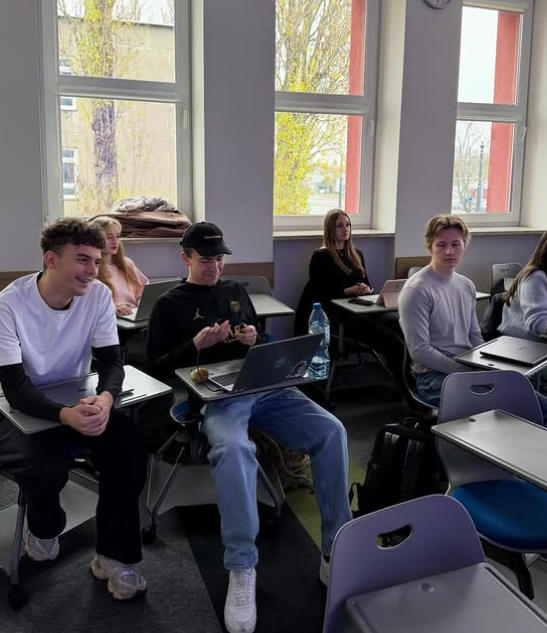
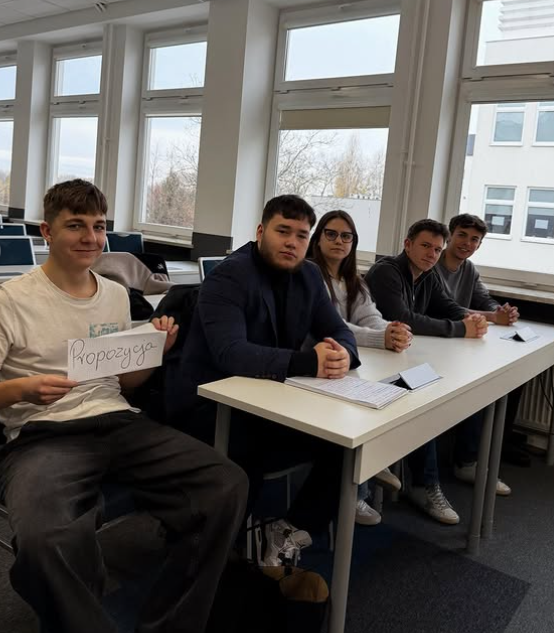
As part of our “Cuisine of Cultures” project, carried out with the support of the European Solidarity Corps, we held a unique Oxford debate in which two fascinating perspectives on culture clashed.
Proposition Team:
Cuisine as the most complete expression of culture
The Proposition Team argued that it is precisely the flavors, aromas, and everyday culinary practices that best reflect a nation’s character. Cuisine is alive, communal, and passed down from generation to generation—often faster than any work of art. It tells the story of migration, available resources, beliefs, rituals, and emotions. According to this side: to understand a country, you must first taste its cuisine.
Opposing View:
Art and Literature as Key Carriers of Identity
The Opposition team argued that while cuisine speaks volumes about everyday life, literature and art create a deeper record of a nation’s spirituality. It is in them that we find symbols, archetypes, national myths, and memories of traumas and turning points. They most precisely document social changes and allow us to understand who we are and where we are headed.
The result? An inspiring, passionate conversation that showed that culture is a wealth of perspectives—and that cuisine, literature, and art complement rather than exclude one another.
Thank you to all participants for your commitment, courage in presenting your arguments, and openness to dialogue!
7. Holiday Food Festival
The holidays are a time when we return to traditions—family, regional, and cultural—with particular intensity. As part of the “Cuisine of Cultures” project, we invite you to participate in the “Holiday Food Festival” contest, which aims to show that food can be not only a taste but also history, memory, and intergenerational dialogue.
What does the contest task involve?
Participants prepare a holiday dish, take a photo of it, and include a description of the tradition to which the dish refers. Any culinary technique is acceptable—what counts is the idea, authenticity, and a conscious reference to tradition.
How and by when to submit your entry?
The photo of the dish, the description of the tradition, and the required documents should be sent to
kontakt@rozprawy.eu
Submission deadline: December 22–29, 2025 (until 11:59 PM).
Judging and prizes
Submitted entries will be evaluated by the Contest Committee, taking into account:
– the creativity and originality of the dish,
– the substantive value of the description of the tradition,
– the overall aesthetic impression.
Full contest rules and regulations with attachments
https://docs.google.com/document/d/1yUY8XdbPgdHyo-6y_fQhp1atwr8Yzjf3/edit?usp=drivesdk&ouid=108095042242095611316&rtpof=true&sd=true
(consent forms for participation are located at the very bottom of the rules)